
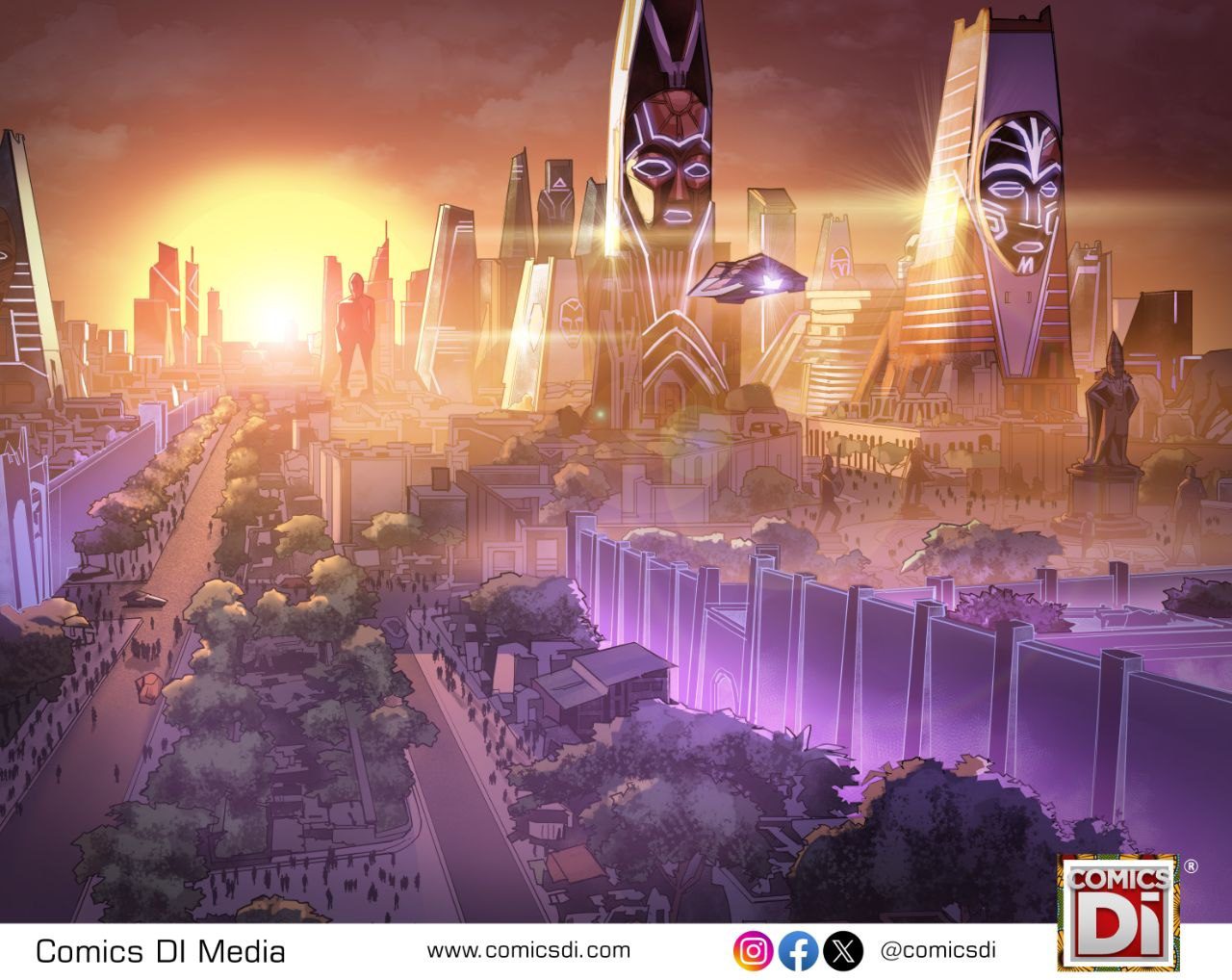
EBA-ODAN: THE HISTORICAL ROOT BEHIND LAGELU: THE KINGDOM ON FOUR HILLS
Through the lens of creative imagination, long before Lagelu became the Kingdom on Four Hills, there was Eba-Odan, a name whispered across the edge of the meadows.
According to Yoruba oral tradition, a warrior-prince named Lagelu founded that settlement, Eba-Odan, which would rise, fall, rise again, and eventually evolve to become one of the largest cities in West Africa: Ibadan!
Now imagine that story, centuries later, reborn not as history, but as prophecy.
TABLE OF CONTENTS
- What Is Eba-Odan? The Historical Roots of Ibadan
- Eba-Odan or Iba-Odan? Historical Insight or Conflict?
- The Historical Significance of Eba-Odan
- Reimagining Yoruba History Through Afrofuturism
- Inside the Kingdom of Lagelu
- Why African Historical Fiction Matters
- From Eba-Odan to a New Chapter for African Graphic Novels
- Be Among the First to Enter the Kingdom
- Frequently Asked Questions
What Is Eba-Odan? The Historical Roots of Ibadan
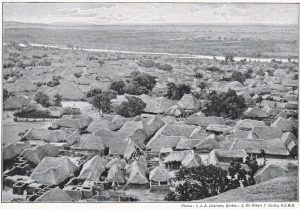
In the 16th century, a warrior-prince named Lagelu left Ile-Ife with a small band of followers and settled on land where forest met open savannah.
He named it Eba-Odan (Èbà-Òdàn); “by the edge of the meadow.”
It was a modest beginning: a handful of people, a stretch of land, and a name that described exactly where they stood, geographically and historically.
That settlement endured cycles of conflict and rebuilding across generations before the city we now call Ibadan finally took shape. But Èbà-Òdàn was always the first breath of it. Read more about the story behind ComicsDI
Eba-Odan or Iba-Odan? Historical Insight or Conflict?
Not every historian agrees on the exact origin of the name. While some Yoruba West African scholars and traditional historians, including Dr. Fayemi Fakayode, argue that the city’s name may have originated as “Iba-Odan,” the historical significance of Eba-Odan remains firmly woven into Ibadan’s story.
We have chosen to build this creative retelling around Eba-Odan, the version most consistently carried through oral tradition and widely documented history, while acknowledging that the conversation among scholars continues.
The Historical Significance of Eba-Odan
What made Eba-Odan more than just a footnote is who built it, and how. Unlike many Yoruba settlements of the time, power here was not inherited; it was earned.
Warlords who proved themselves in battle led, not princes born into a throne, in effect a meritocracy carved out of crisis, built by refugees and warriors from Oyo, Ife, and Ijebu who had nowhere else to go and everything to prove.
That founding spirit, power through resilience rather than bloodline, became the DNA of the city Eba-Odan eventually grew into.
Read more on Ibadan’s founding and military-republic origins on Wikipedia
Reimagining Yoruba History Through Afrofuturism
Eba-Odan is where our story starts, but not where it stays. Lagelu: The Kingdom on Four Hills takes that founding spirit, resilience, reinvention, and projects it centuries into an imagined future.
This is Afrofuturism at its core: African history and mythology, reimagined as the foundation for tomorrow, not just a record of yesterday. Èbà-Òdàn becomes less a place on a map, and more a blueprint for a kingdom yet to come.
Inside the Kingdom of Lagelu
In the world of the graphic novel, the legacy of Eba-Odan lives on inside Lagelu: The Kingdom on Four Hills, it takes part of the DNA of survival and reinvention, its people, its rulers and its conflicts mirror the evolution of authentic African culture through the matrix of technology.
Curious what the Kingdom looks like today? Join the early access list
Why African Historical Fiction Matters
Stories like Èbà-Òdàn rarely make it into mainstream fiction, not because they lack drama, but because they are too often left untold.
Every kingdom, every migration, every act of survival carries a story worth reimagining.
Lagelu exists to change that; to prove African history is not just worth remembering, but worth building entire universes from.
From Eba-Odan to a New Chapter for African Graphic Novels
What began as one settlement’s story is now the seed of something larger: a full graphic novel, an immersive soundtrack, and a collector’s experience years in the making. Eba-Odan is not a footnote in that story; it is the foundation.
Every future chapter of Lagelu carries a piece of it forward. Explore the full world in ComicsDI’s comic collection
Be Among the First to Enter the Kingdom
Early Collectors will receive the Lagelu Creator’s Collector’s Edition; a premium digital collection created for true collectors of the Kingdom.
It includes the full graphic novel, the Lagelu Codex: Sketch Companion (free during launch week only), the Lagelu Anthem, and Symphony of a New Dawn.
This edition will not stay complete forever; once launch week ends, pieces of it disappear. Secure your place in the Kingdom now
Frequently Asked Questions
- What is Eba-Odan?
Eba-Odan was the original settlement founded by the warrior-prince Lagelu in the 16th century, which eventually grew into the city of Ibadan.
- Who was Lagelu?
Lagelu was a Yoruba warrior-prince from Ile-Ife, remembered in oral tradition as the founder of Eba-Odan and, later, Ibadan itself.
- Is Lagelu: The Kingdom on Four Hills inspired by real history?
Yes; it is inspired by the Eba-Odan founding story, reimagined through an Afrofuturistic lens rather than told as literal history.
- When will Lagelu: The Kingdom on Four Hills be released?
The Kingdom’s gates open this October; join the early access list
The Future Begins with Eba-Odan
History remembers Eba-Odan as where a city began. Lagelu remembers it as where a kingdom awakens.
The gates open this October; step through them first
0 comments